The Equipment & The Print
This page exists because some buyers want to know how an image was made and what they’re receiving when they order a print. That’s a reasonable thing to want to know, and I’d rather answer it plainly here than leave it to guesswork.
In the Field
I shoot with a Canon EOS R5. I came up on Canon — my parents had a Rebel XSi, I eventually bought my own — and after fifteen years the controls are in my hands before I have to think about them.
My two primary lenses cover most of what I do. For landscapes and environmental work I use a Canon EF 28-105mm f/3.5-4.5 USM. It’s a versatile, unobtrusive lens that’s easy to walk with and incredibly flexible. For wildlife I use a Canon RF 200-800mm f/6.3-9 IS USM, which gives me the reach that serious wildlife photography requires without committing to a fixed focal length I’d have to work around.
I get to most of my locations on foot or by bike. That shapes the kit. I keep things simple — not light, but simple — and everything travels in a WANDRD Prvke 31L, which is the first camera bag I’ve owned that doesn’t create new problems while solving old ones.
The Print
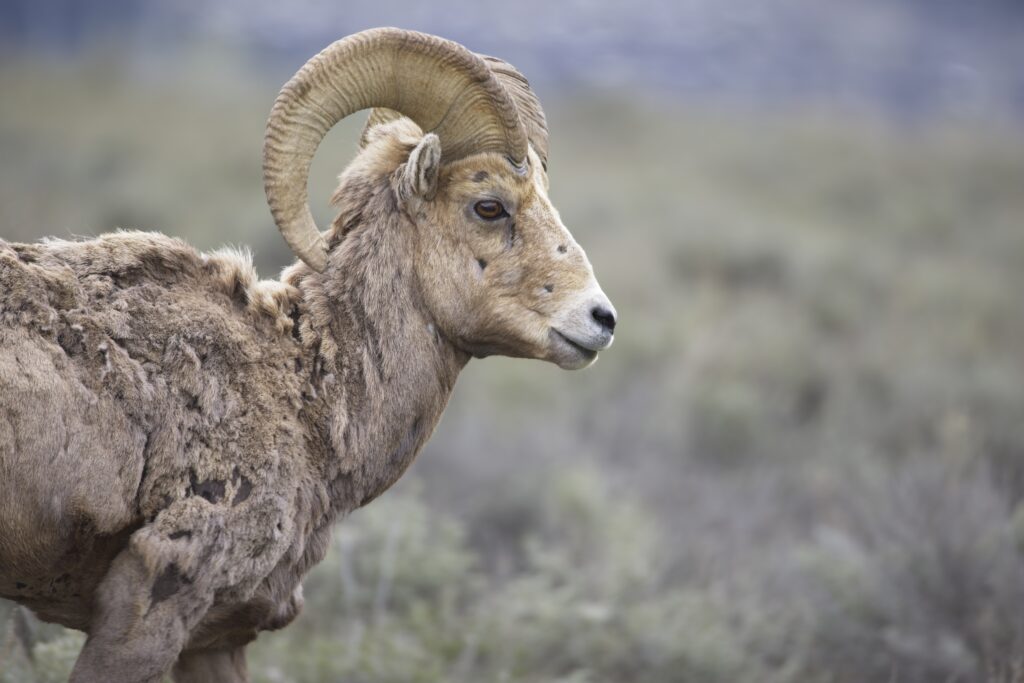
Getting the field work right is only half of it. How an image is rendered on a physical surface is a separate decision, and I approach it the same way I approach anything else; by understanding the materials and choosing deliberately.
Fine Art Paper
My paper prints are produced on Hahnemühle Photo Rag Baryta, a cotton rag paper with a baryta coating that gives it the weight and feel of traditional darkroom fiber prints. It renders color with a depth and accuracy that matte papers can’t match — the tonal range in a landscape shot, the warm tones of an animal’s coat in early light, the subtle gradations in an overcast sky all come through as they were. This paper is archival, meaning the print will not fade or degrade for decades under normal display conditions. Photo rag is also unmistakably a fine art object in a way that commercial photo paper is not.
Metal Prints
Aluminum metal prints are produced by infusing dyes directly into a coated aluminum surface. The result is a print with exceptional color vibrancy, deep blacks, and a luminosity that works particularly well for images with strong light — sunrise and sunset landscapes, rim-lit wildlife, dramatic skies. They are moisture resistant, durable, and arrive ready to hang without framing. For the right image and the right wall, there is nothing quite like them.
Choosing Between the Two
Both formats are produced at professional labs I trust and have verified. The choice between them comes down to the image, the space, and personal preference. Paper suits buyers who want something that feels like traditional fine art — quiet, considered, at home in a frame. Metal suits buyers who want the image to command the wall it’s on. If you’re uncertain, I’m happy to discuss which format suits a specific image before you order.